Showing posts with label Contemporary French Literature. Show all posts

Tuesday, July 13, 2010

“Tre Donne Forti” di Marie NDiaye


Anno di prima pubblicazione: 2009
Genere: romanzo
Paese: Francia / Senegal

“Grazie alla potenza creativa di Marie NDiaye, l’Africa clandestina entra a pieno titolo nella letteratura francese. Dalla porta principale”, scrive “Vogue” in un endorsement riportato nella quarta di copertina. E’ un tentativo innocente di fare un complimento alla scrittrice, ma alle mie orecchie suona un po’ distorto. Perché Marie NDiaye ha vinto il Premio Goncourt con questo libro, ergo è entrata nel novero della letteratura francese. Altrimenti sarebbe rimasta nel limbo della letteratura… E qui mi blocco. Nel limbo della letteratura francofona? No, perché la letteratura francofona è quella scritta nei paesi in cui si parla francese come lingua materna e veicolare, ad esclusione della Francia (anche se questa è di fatto un paese francofono, che confusione!). Invece Marie NDiaye è nata e cresciuta in Francia. A tradirla solo un padre senegalese, con cui lei ha vissuto ben poco, e che le ha regalato, oltre al colore della pelle, anche quel bel cognome con la doppia iniziale maiuscola. L’Africa d’altronde è entrata nel seno della letteratura francese (o francofona?) molto tempo fa con scrittori come Tahar Ben Jelloun. Sarebbe rimasta nel limbo della letteratura etnica? Il limbo della letteratura della migrazione? Ma Marie NDiaye non è emigrata, l’ha fatto suo padre semmai. Beh, mi dico, se è limbo è limbo, non ha nome, non si può definire. Se non vinceva il Goncourt, forse rimaneva nel limbo della non-letteratura francese.
Tre storie, interconnesse in maniera talmente sottile da risultare praticamente come tre racconti lunghi ben distinti, ambientate a cavallo tra Francia e Senegal. E’ così che si presenta “Tre Donne Forti” al lettore. Nella prima storia, Norah, seppur riluttante, raggiunge il padre in Senegal. L’uomo, che si è sempre dimostrato insensibile e indifferente verso le figlie, vive ora in ristrettezze economiche nella grande casa mai terminata, sostenendo che la seconda moglie e l’adorato unico figlio maschio sono “in viaggio”. La realtà è ben diversa e Norah se ne accorge da alcuni dettagli inquietanti, non da ultimo il fatto che il padre dorme tutte le notti arrampicato su di un grosso albero corallo. Ed ecco la prima donna forte. La seconda invece, ci viene narrata attraverso gli occhi di Rudy Descas, ex professore di lettere in un liceo di Dakar costretto a tornare nella sonnolenta provincia francese di cui è originario dopo un episodio increscioso. Lo seguono in Francia la moglie senegalese Fanta e il figlioletto. Descas, ridotto a vendere cucine rustiche, si sente terribilmente in colpa per aver portato Fanta in una realtà così diversa da quella che aveva pianificato. Talmente al verde da non potersi nemmeno permettere un cellulare e ossessionato dalla possibilità di perdere la moglie, si sente un fallito, non realizzando che è il peso del suo passato che ad opprimerlo più che lo squallore del presente. Fanta, dunque, è la seconda donna forte, anche se solo intravista attraverso gli occhi del marito. Per la terza storia ci trasferiamo di nuovo in Senegal, dove Khady Demba, rimasta vedova giovanissima e per di più senza figli, viene scacciata dalla famiglia del marito e tenta di emigrare clandestinamente, quasi inconsapevolmente, senza sapere che cosa l’aspetta. Nonostante le sofferenze, tuttavia, mantiene quell’orgoglio e quella fierezza che l’avevano sempre contraddistinta: “perché sono io, Khady Demba”, contuna a ripetersi durante il viaggio.
Un romanzo ineccepibile, realista e disincantato, ma su cui allo stesso tempo aleggia un’ombra di mistero e cose non dette. Perché il padre di Norah dorme su un albero o com’è andata veramente quella volta che il padre di Rudy Descas ha accoppato il suo socio sono cose che sta a noi interpretare, come nei migliori racconti. La psicologia dei personaggi non è esplicitata, ma piuttosto suggerita ed è forse questo che contraddistingue di più la scrittura di Marie NDiaye. Ma non aspettatevi esotismo: né gli splendidi drappi con cui si avvolgono le donne africane né i sapori piccanti della cucina africana sono nelle corde di questa scrittrice. D’altronde per lei l’Africa risulta una terra soprattutto arida, estranea e crudele non meno della periferia francese dove è cresciuta e che ci descrive spietatamente nel secondo episodio.

Sunday, March 21, 2010

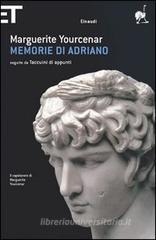
50. “Memorie di Adriano” di Marguerite Yourcenar [Italian version]


Anno di prima pubblicazione: 1951
Genere: romanzo storico, memorie
Paese: Francia / Belgio

En français: Mémoires d’Hadrien de Marguerite Yourcenar

Marguerite Yourcenar provò a scrivere questa storia per molto tempo, ma era costantemente insoddisfatta del risultato. Era un po’ come Flaubert, che riscriveva la stessa pagina molte volte. Ed è proprio una citazione di Flaubert che la Yourcenar usa, nei suoi appunti alla fine del volume, per dirci perché ha scelto di scrivere sull’imperatore Adriano: “Quando gli dèi non c’erano più e Cristo non ancora, tra Cicerone e Marco Aurelio, c’è stato un momento unico in cui è esistito l’uomo, solo”.
L’autrice parte dall’idea di prendere la vita di un grande della storia, di creare un’autobiografia fittizia che narra la vita dell’uomo a ritroso, guardando indietro ai giorni vissuti. Marguerite Yourcenar ci riporta così al secondo secolo d.C. nella vita dell’imperatore Adriano, nella sua vecchiaia, quand’era stanco e malato, ma non aveva smesso di apprezzare la vita. Adriano era un filantropo, un filosofo e, naturalmente, un grande statista. Con questo libro arriviamo a conoscere la vita quotidiana di un imperatore romano, le sue preoccupazioni e le sue passioni. Dall’infanzia in quella che ora si chiama Spagna, allora una provincia dell’impero, alla morte di Traiano, che lo designò come suo successore in punto di morte, Adriano ricorda la sua vita, cercando di afferrare il significato ultimo della sua esistenza. Aveva avuto un’educazione greca ed era un ammiratore della cultura ellenica, perciò gli veniva naturale filosofeggiare, ragion per cui il romanzo è soprattutto un romanzo sulla filosofia.
E’ noto che Adriano ebbe una storia romantica con un giovane greco chiamato Antino, che annegò misteriosamente nel Nilo. Afflitto dalla perdita, Adriano fondò la città di Antinopoli. Ecco quindi che Memorie di Adriano diventa anche un libro sull’amore e sulla perdita, e poco importa che si trattasse di un amore omosessuale. Sullo sfondo ci sono le campagne di Adriano (in Giudea o in Britannia, per esempio) e la sua preoccupazione di trovare un successore.
La lingua misurata e la prosa fluida rendono prezioso questo libro, ma bisognerebbe leggerlo più di una volta per apprezzarlo davvero. Memorie di Adriano va assaporato, letto lentamente e forse riletto ad un’età più matura.


Sull’autrice: Marguerite Yourcenar nacque a Bruxelles, Belgio, nel 1903, da padre francese aristocratico e madre belga. Sua madre morì dieci anni dopo la sua morte, perciò fu cresciuto dalla nonna paterna e dal padre, un grande viaggiatore. Il suo primo romanzo, Alexis, fu pubblicato nel 1929 ed è ispirato ad André Gide, un famoso scrittore francese, omosessuale dichiarato. Narra di un uomo che confessa la sua omosessualità a sua moglie e perciò decide di lasciarla. Dopo la morte del padre, avvenuta nel 1929, Marguerite Yourcenar fece vita “bohémienne” tra Parigi, Istanbul, Bruxelles e la Grecia. Era bisessuale e aveva relazioni sia con uomini che con donne. Pubblicò Nouvelles Orientales nel 1938, un racconto dei suoi viaggi. Nel 1939, trovandosi senza denaro e con la prospettiva di una guerra, raggiunse la sua amante, Grace Frick, negli Stati Uniti. Vissero insieme a Mount Desert Island, Maine, fino alla morte della Frick nel 1979. Marguerite Yourcenar diventò cittadina americana nel 1947. Nel 1951 pubblicò Memorie di Adriano, che stava scrivendo da una decina d’anni, e il libro fu un immediato successo di pubblico e di critica.

50. “Memoirs of Hadrian” by Marguerite Yourcenar [English version]


Year of first publication: 1951
Genre: historical novel, memoir
Country : France / Belgium

En français: Mémoires d’Hadrien de Marguerite Yourcenar

Marguerite Yourcenar tried to write this story for a long time, but she was constantly unsatisfied with the result. She was sort of like Flaubert, who rewrote the same page over and over again. And it is indeed a quote from Flaubert that Yourcenar uses, in her notes at the end of the volume, to tell us why she chose to write about Emperor Hadrian: “When the gods were no more and Christ not yet there, between Cicero and Marcus Aurelius, there was a unique moment in which only man existed, alone” (my translation).
The author starts from the idea of taking the life of a great man in history, of creating a fictional autobiography that narrates the man’s life in retrospective, looking back at the past days. Marguerite Yourcenar takes us back to the II century AD into the life of Emperor Hadrian, into his old age, when he was tired and ill, but didn’t stop appreciating life. Hadrian was a philanthropist, a philosopher and, of course, a great statesman. With this book we get to know the everyday life of a Roman Emperor, his preoccupations and his passions. From his childhood in what is now called Spain, then a province in the Roman Empire, to the death of Emperor Trajan who designated him as his successor on his death bed, Hadrian remembers his life, trying to grasp the ultimate meaning of his existence. He had a Greek education and was an admirer of Greek culture, so it was natural for him to indulge in philosophy, therefore the book is first of all about philosophy.
Hadrian notoriously had a romantic relationship with a Greek youth called Antinous, who mysteriously drowned in the Nile. Saddened by this loss, Hadrian founded the city of Antinopolis. Memoirs of Hadrian therefore also becomes a book about love and loss, and it doesn’t really matter that it was a same-sex relationship. In the background there are Hadrian’s campaigns (in Judea or in Britannia, for instance) and his preoccupations to find a successor.
The measured language and the fluent prose make this book precious, but one that you’d need to read more than once to really appreciate. Memoirs of Hadrian needs to be savoured, read slowly and maybe reread at an older age.

About the author: Marguerite Yourcenar was born in Brussels, Belgium, in 1903 to a French aristocratic father and a Belgian mother. Her mother died ten years after her birth, so she grew up with her paternal grandmother and her father, a great traveller. Her first novel, Alexis, was published in 1929 and it was inspired by André Gide, a famous French writer and a declared homosexual. It is about a man who confesses his homosexuality to his wife and therefore decides to leave her. After the death of her father in 1929, Marguerite Yourcenar led a bohemian life between Paris, Istanbul, Brussels and Greece. She was bisexual and had relationships with both men and women. She published Nouvelles Orientales in 1938, a recount of her travels. In 1939, finding herself out of money and in the prospect of a war, she joined her lover, Grace Frick, in the United States. They lived together in Mount Desert Island, Maine, until Frick’s death in 1979. Marguerite Yourcenar became an American citizen in 1947. In 1951 she published Mémoires d’Hadrien, which she had been writing for a decade, and the book was an immediate success of critic and public.

Sunday, February 28, 2010

46. “Il Nipote di Rameau” di Denis Diderot


Anno di prima pubblicazione: scritto tra il 1761 e il 1777, non venne pubblicato in Francia fino al 1823, ma ne uscì una traduzione in tedesco di Goethe nel 1805.
Genere: satira, romanzo filosofico, farsa
Paese: Francia

In English: Rameau’s Nephew by Denis Diderot
En français: Le Neveu de Rameau de Denis Diderot

Un dialogo di finzione tra un “IO” e un “LUI”, tra l’autore, Denis Diderot, e Jean-François Rameau, nipote del famoso musicista Jean-Philippe Rameau. Durante la conversazione emerge la duplice coscienza del nipote di Rameau: si tratta di un genio, seppur bizzarro e spregiudicato, oppure di un parassita, un impostore che con il suo cinismo e la sua scaltrezza riesce a sovvertire tutti i valori etici e morali dell’autore? Riferimenti ai personaggi che popolavano la Parigi di un tempo e ai pensieri filosofici allora in voga rendono questa “satira” alquanto vivace. Non si tratta infatti di un trattato filosofico né tanto meno di un romanzo, ma di una satira, nel senso latino di “mélange irregolare di temi e registri narrativi” (così dice l’introduzione a cura di Lanfranco Binni). Quello che ne emerge è un ritratto dell’immoralità e della corruzione della società francese alla metà del diciottesimo secolo. Un ritratto “immoralmente morale”, come lo definì Goethe, che tradusse il manoscritto, ancora inedito in Francia, nel 1805. Il nipote di Rameau, per farvi capire il personaggio, dava lezioni di pianoforte senza saperlo veramente suonare o mostrava ogni giorno una moneta d’oro al figlioletto, la levava in aria come fosse un’ostia e poi la baciava, cercando d’insegnargli che cosa ci fosse da venerare nella vita. Vien da sé che Diderot fu considerato uno spirito ribelle e che di conseguenza i suoi scritti più scabrosi, come questo, furono pubblicati molti anni dopo la sua morte.
Tuttavia, con tutto quello che di pregevole contiene quest’opera, Il Nipote di Rameau mi sembra soltanto una “versione annacquata” di quello che è capace di fare Diderot. Prendete Jacques Le Fataliste, considerato credo uno dei suoi capolavori: quel libro non può lasciar nessuno indifferente. E’ stato scritto 250 anni fa eppure sovverte i canoni del romanzo - e della narrazione, più in generale – come fanno solo i romanzi modernisti, se non quelli post-moderni. Dobbiamo quindi (leggi devo) rivangare le vecchie glorie della letteratura francese, ne leggevo tanta un tempo. Ho su di uno scaffale polveroso Il Conte di Montecristo di Alexandre Dumas (mai letto!) e sarebbe anche ora che lo togliessi da lì per cominciare a leggerlo (anche alla luce del nuovo film L’Autre Dumas*).


Sull’autore:
Denis Diderot è stato un filosofo, un critico d’arte e uno scrittore francese dell’epoca dell’illuminismo. Nacque a Langres, in Francia, nel 1713. Era un pensatore originale e scrisse molte opere filosofiche, per esempio le Pensées Philosophiques o la Lettera sui Ciechi. Quest’ultima gli causò tre mesi di prigione nelle carceri di Vincennes, dove riceveva visite giornalieri da Rousseau, il suo principale alleato. Promise di non scrivere più nulla contro la Chiesa ed infatti i suoi scritti più scabrosi vennero pubblicati solo dopo la morte. Dopo essere stato scarcerato si dedicò al progetto della Encyclopédie insieme a Jean le Rond d’Alambert. Il primo volume, ricco di idee rivoluzionarie per l’epoca, uscì nel 1751. L’opera venne però messa sotto processo ed infine vietata. Molti contributori dell’opera smisero di scrivere articoli per i volumi successivi, lasciando Diderot a scrivere da solo quella che sarebbe diventata la sua opera più famosa. A parte l’Enciclopedia, una delle sue opere più famose è Jacques Il Fatalista e il Suo Padrone, romanzo che sovverte le convenzioni del genere e sperimenta con il tema del libero arbitrio. Per tale spirito innovativo è stato più volte paragonato a Tristam Shandy di Laurence Sterne.

Tuesday, November 3, 2009

32. “Journal d’Hirondelle” by Amélie Nothomb


Year of first publication: 2006
Genre: novel
Country: the novel is set in France, but the author is from Belgium

In italiano: Diario di Rondine di Amélie Nothom, pubblicato da Voland nella collana Amazzoni (2006), €12,50

As far as I know, this book hasn’t been translated into English. I can’t help saying once again that they should translate more literature into English, at least from European languages.

Plot: A man decides to take up a job as a hit man after a love story gone wrong which left him unable to feel any emotion. He’s the best of killers: cold-blooded and meticulous. One day he’s hired to kill a Minister and his family, but when he enters the house the man’s daughter is about to kill her father because he has read her diary. Moved by the encounter with the girl, who he was obliged to kill nontheless, he decides not to hand in the diary she was keeping.

Some thoughts:
This is a very short novel, only 92 pages. The style is crude, almost grotesque, and the characters are not fully introduced. In fact they hardly have names or a biography. The explanation is probably that the main character is everyman, potentially the reader himself after a failed love story. Amélie Nothomb is usually praised for the psychological depth of her novels: Journal d’Hirondelle (“diary of a swallow”) describes how a person would react if he/she is deprived of all emotions. It is a weird novel, I don’t know if all Nothomb’s novels are like this, but the situation and the plot twist are very unusual. She comes to me as an experimental writer more than a good story teller (most contemporary Anglophone or Italian writers are good story tellers but don’t experiment much with literature in the way that Nothomb does with this book). She reminds me of Frédéric Beigbeder* because of her crude minimalist style, her anecdotes and wittiness, but also because of her permanent resolution to stupefy and challenge the reader.

About the author:
Amélie Nothomb was born in 1967 in Japan into an aristocratic family of Belgian diplomats and politicians. She has also lived in China, New York, Bangladesh, Burma and Laos. The itinerant life of her parents didn’t have a positive influence on her upbringing and she lived the distance from Japan almost as an exile. She didn’t live in Europe until she was 17, when she moved to Brussels. After some family tensions, she returned to Japan to work in a Japanese company. She remained there one year and after this disastrous experience she moved again to Belgium. Her first novel, Hygiène de l'assassin (The Hygiene of the Assassin in English) was published in 1992. Since then, she has published roughly one novel per year. Her most famous works are probably the autobiographical novels Métaphysique des Tubes (2000, strangely translated as The Character of Rain), which details her Japanese childhood, and Stupeur et Tremblements (1999, translated as Fear and Trembling in English), which recounts her experience as a translator in a Japanese company.

* I just read by coincidence that yesterday Frédéric Beigbeder was awarded the Renaudot prize, one of the most important literary prizes in France, for his novel Un Roman Français (2009). Frédéric Beigbeder is a controversial writer in France, a sort of “enfant terrible, especially because of the depiction of drug abuse in his books (he admits that his characters are often autobiographical). In 2008, he was arrested for sniffing cocaine on the hood of a car one. In his new novel he takes his revenge on his prosecutor. However, the four offending pages disappeared from the book between the time some copies were sent to the press and the publication of the novel. Some say this was a marketing ploy, since Beigbeder used to work in advertising.

Monday, February 2, 2009

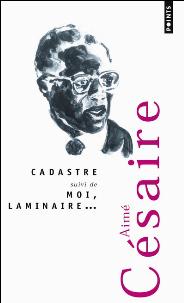
Aimé Césaire (1913 – 2008)

Nacque nel 1913 in Martinica ma frequentò le scuole a Parigi. Creò, insieme al futuro presidente del Senegal Léopold Sédar Senghor e al guianese Léon Damas una rivista letteraria chiamata L’étudiant Noir (Lo Studente Nero), precursore del movimento della Négritude ("negritudine"), fortemente influenzato dalla Harlem Renaissance, in particolare dai poeti afro-americani Langston Hughes e Richard Wright. La negritudine pensava in un’unione contro il razzismo e il colonialismo francese attraverso una comune identità nera. Questo movimento credeva che il miglior modo per combattere l’egemonia politico-intellettuale francese era l’unione di tutti i membri della diaspora africana.
Negli anni ’30 Césaire scrisse una poesia, della lunghezza di un libro, intitolata Cahier d’un Retour au Pays Natal (Quaderni di un Ritorno al Paese Natale), una descrizione vivida delle ambiguità della vita nei Caraibi e della cultura del Nuovo Mondo. Il surrealista francese André Breton, che era un suo amico intimo, scrisse un’introduzione a questo poema, pubblicata nell’edizione del 1947. Nel 1945 Césaire entrò in politica, prima come membro del Partito Comunista Francese e poi creando un altro partito. Scrisse Discours sur le colonialisme (Discorsi sul Colonialismo) (1953), una denuncia del razzismo coloniale europeo, e nel 1960 Toussaint Louverture, basato sulla vita del rivoluzionario haitiano. Nel 1968, pubblicò una versione de La Tempesta di Shakespeare per un pubblico nero.

Sunday, December 21, 2008

Parole dette al vento - Dub poetry, creoli e...la francophonie

Attenzione, questo è un Post Polpetta, come lo chiamerebbe Clauds. Se fosse un'applicazione di facebook si chiamerebbe "Stuff I like"... Se fosse un gruppo "Postcolonial Lit rocks!"...

#1)
La sezione letteraria del Guardian ha appena pubblicato un video di una poesia recitata da Linton Kwesi Johnson, poeta giamaicano di dub poetry, cioè poesia a ritmo di reggae. Potete sentirlo parlare in creolo che, secondo me, è una lingua bellissima e musicale già di per sé! A me questo tipo di poesia piace molto, spero che piaccia anche a qualcuno di voi. La poesia si chiama “If I woz a top-natch poet”, cioè “Se Fossi un Poeta di Spicco”. Vi riporto il testo, lo so che è in creolo ed è di difficile comprensione, anche per me, ma ribadisco che è poesia da ascoltare, come una canzone, non da leggere. Ho provato a tradurlo, ma mi incarto di continuo e non rende. Just enjoy! Clicca qui per il video con la poesia recitata.

If I woz a tap-natch poet

if I woz a tap-natch poet
like Chris Okigbo
Derek Walcot
ar T.S.Eliot

ah woodah write a poem
soh dam deep
dat it bittah-sweet
like a precious
memory
whe mek yu weep
whe mek yu feel incomplete

like wen yu lovah leave
an dow defeat yu kanseed
still yu beg an yu plead
till yu win a repreve
an yu ready fi rack steady
but di muzik done aready

still
inna di meantime
wid mi riddim
wid mi rime
wid mi ruff base line
wid mi own sense a time

goon poet haffi step in line
caw Bootahlazy mite a gat couple touzan
but Mandela fi im
touzans a touzans a touzans a touzans

if I woz a tap-natch poet
like Kamau Brathwaite
Martin Carter
Jayne Cortez ar Amiri Baraka

ah woodah write a poem
soh rude
an rootsy
an subversive
dat it mek di goon poet
tun white wid envy

like a candhumble/ voodoo/ kumina chant
a ole time calypso ar a slave song
dat get ban
but fram granny

rite
dung
to
gran
pickney

each an evry wan
can recite dat-dey wan

still
inna di meantime
wid mi riddim
wid mi rime
wid mi ruff base line
wid mi own sense a time

goon poet haffi step in line
caw Bootahlazy mite a gat couple touzan
but Mandela fi im
touzans a touzans a touzans a touzans

if I woz a tap-natch poet
like Tchikaya U'tamsi
Nicholas Guillen
ar Lorna Goodison

an woodah write a poem
soh beautiful dat it simple
like a plain girl
wid good brains
an nice ways
wid a sexy dispozishan
an plenty compahshan
wid a sweet smile
an a suttle style

still
mi naw goh bow an scrape
an gwan like a ape
peddlin noh puerile parchment af etnicity
wid ongle a vaig fleetin hint af hawtenticity
like a black Lance Percival in reverse
ar even worse
a babblin bafoon whe looze im tongue

no sah
nat atall
mi gat mi riddim
mi gat mi rime
mi gat mi ruff base line
mi gat mi own sense a time

goon poet bettah step in line
caw Bootahlazy mite a gat couple touzan
but Mandela fi im
touzans a touzans a touzans a touzans

Se ti piace questo:
Inglan is a bitch

#2)
Qualche settimana fa stavo scrivendo un post sulla letteratura francofona contemporanea, in particolare sugli ultimi premi assegnati:
Prix Goncourt: Syngué Sabour di Atiq Rahimi, uno scrittore di origine afgana
Prix Renaudot: Le Roi Kahel di Tierno Monénembo, guineano
Prix Interralié : Le Premier Pricipe. Le Second Principe di Serge Bramly, tunisino di nascita.
Ora ho trovato questo articolo di Jean-Luis Gouraud su Jeune Afrique. Che cosa ne pensate? Io lo trovo un po' esagerato: non può essere che i francesi "autoctoni" non sappiano più scrivere, ma piuttosto mi sembra giusto che venga lasciato spazio a tutti coloro che decidano di scrivere in francese, indipendentemente dalla nazionalità. Qui il link per gli eletti che sanno il francese, perché ripeto che non sono brava a tradurre:

"Il francese della carità

L’assegnazione di tre dei principali premi letterari dell’anno a degli scrittori francofoni ma non d'origine francese (il Goncourt ad un afgano, il premio France-Télévision ad un algerino e il Renaudot ad un guineano) mi sembra un segno dei tempi. Non, come ha suggerito un po’ stupidamente la stampa parigina, una specie di “effetto Obama” (leggesi: la moda del meticciato), ma una vera tendenza dell’intellighenzia francese ad avere nei confronti della propria lingua nient’altro che una specie di condiscendenza, di tenera compassione, fino al punto di convincersi che quella vecchia lingua diventata un po’ obsoleta – dopo che, certo, è servita a molto - e minoritaria oggi nel mondo è buona solo da lasciare ai poveri. Come una camicia usata, ma che può ancora essere portata, che si regala ai poveri, il francese viene abbandonato dai suoi primi proprietari ai suoi mendicanti culturali, quei dolci sempliciotti che sono gli scrittori dell’Altro-Esagono. I quali, buoni diavoli, si accontentano di poco e vi si sentono ancora bene, a loro agio, al caldo: ah, che brave persone!

Mi sono convinto che, in fondo, il sogno, il desiderio incosciente, il fantasma degli scrittori francesi di Francia consiste nello scrivere… in inglese: la sola lingua che valga, il solo vero linguaggio universale. Per un paradosso masochista che sarebbe interessante analizzare (psicanalizzare), i francesi provano in verità per la francofonia qualcosa che assomiglia al disprezzo. E’ iniziato sicuramente tutto con delle parole: si è voluto designare in altro modo il piccolo pianeta composito degli scrittori di lingua francese, rimpiazzare l’espressione già desueta di “letteratura francofona” con quella più trendy di “letteratura del mondo”. L’autore di questo concetto piuttosto fosco, per non dire fumoso, lo scrittore e viaggiatore Michel Le Bris, lui stesso autore di un libro recente, La Beauté du Monde (La Bellezza del Mondo, N.d.T.), era candidato a tutti i premi letterari del 2008. Gli sono passati tutti sotto il naso, arraffati dai cittadini di questo mondo di cui pensava di diventare re. Fallimento totale! Ha conosciuto la sorte del dottor Frankenstein, al quale la creatura finisce per scappare. Anche la sorte del visconte di Sanderval, di cui racconta Tierno Monénembo nel suo bel romanzo che gli è valso il premio Renaudot (Le Roi Kahel): partito per l’Africa per provare a ritagliarsi un piccolo regno personale, l’ambizioso ritorna a mani vuote.

Tutte le favole hanno una morale.”

Su Tierno Monénembo (
en français)
Su Atiq Rahimi (in English)

Sunday, November 23, 2008

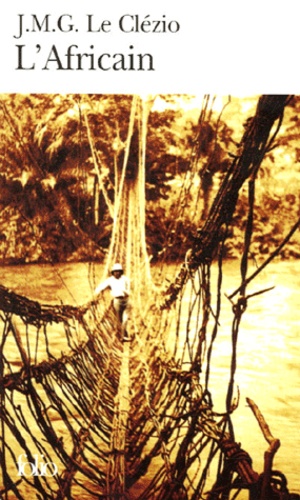
"L'Africain" by J.M.G. Le Clézio


Year of publication: 2004
Genre: biography, memoir
Setting and Time: Nigeria, Cameroon, France and Guyana, before and after the Second World War
Themes: Africa, family relationships, vocational jobs, colonialism

Nobel Prize in Literature 2008

About the author: read this post

What it’s all about: In this short book Le Clézio remembers his father, who was a “jungle doctor” first in Guyana and then in Cameroon and Nigeria. Here you can find his thoughts about his African childhood and about life in remote places.

Some thoughts: Can you start to understand why Le Clézio won a Nobel Prize by reading this nice little book? Not really. I mean, this is simply the account of the life of Le Clézio’s father as a doctor in various parts of the world, not a full-length novel. Of course, you can learn about his background and understand why he wrote about so many different parts of the world (sort of like Bruce Chatwin I would say).
The childhood of the Le Clézios in Africa is the antithesis of colonial life: they don’t have a big house with many servants (even though they have a “houseboy”) and they are the only white people in their village, so they are not enjoying the kind of life that Doris Lessing or Muriel Spark might recount about their African experience. There were a few fascinating things that he remembers about Africa, for example some of its animals and the life style of the people over there. The most interesting thing is how Le Clézio’s father is changed and shaped by his hard life in remote places of the world: when he goes back to France he is a real African man. There is nothing exotic in Le Clézio’s tale: his father led a lonely life in very isolated places and sometimes he had little human contact. Moreover, he lived with the frustration of not having the right medicines to cure the most common diseases of the villagers.
I’d like to read more about this author, as I’m not really in a position to say if he deserved the Nobel Prize or not. For the moment, I’m happy that I managed to read this small book in its original language and I can say that I quite enjoyed it.

Just click on the tag called Nobel Prize in Literature 2008 for some "musings" on this year's Nobel Prize Award.


Thursday, October 9, 2008

JMG Le Clézio wins Nobel Prize in Literature

The Swedish Academy announced that French novelist Jean-Marie Gustave Le Clézio has won the Nobel prize for literature.

Vive la France!

I must admit that I scratched my head and said ‘Huh?’. I expected Amoz Oz, Philip Roth or maybe Vargas Llosa to win the prize. In the UK most of his works are out of print and in Italy he is published by small editors. “Only 12 of his 40 novels have been translated into English”, The New York Times writes. Can you see something into that? I guess so, if you have read Mr. Engdahl's opinions on American literature. Nonetheless, Le Clézio has been living in New Mexico, USA, in near seclusion, for nearly twenty years. I can see a contradiction there: why despise American literature for its isolation and then award someone who’s been living there for such a long time? The mystery will remain buried in Sweden, I guess…

Le Clézio is European (even if he boasts a strong connection with Mauritius) and comes from a nation that has a very old tradition of literature. This confirms that the Academy considers European literature somehow superior to other literatures. All the judges of the Nobel Prize are Swedish and they held their chair for life: they are intellectuals, but known only in their country. If all the judges were Chinese, we would have more Asian Nobel Prizes, don’t you think? [I'm not saying that Le Clézio doesn't deserve the prize, because I haven't read any of his novels, I'm only reflecting on the decision of the jury.]

Anyway, the motivation given for this award is: “author of new departures, poetic adventure and sensual ecstasy, explorer of a humanity beyond and below the reigning civilisation".

J.M.G. Le Clézio was born in Nice in 1940. His family originates from Brittany (north-western France) but has strong links with Mauritius, where his ancestors had migrated in the 18th century. His family had experienced English colonization in Mauritius, and this is why he grew up bilingual (and even had considered becoming a writer in English before deciding it was too "colonial" a language). When he was 8, he moved to Nigeria with his father who was a doctor in the British army. He studied in England and France and traveled extensively throughout his life: Thailand, Mexico, Panama, USA and South Korea.
He published his first novel Le Proces-Verbal (The Interrogation) in 1963, when he was only 23. Le Clézio became popular in France in the 1970s and 80s with novels set across the world. His big breakthrough came in 1980 with Désert, an award-winning novel of French colonialism seen through the eyes of a Tuareg woman in the Sahara. The book contrasts the ugliness and ignorance of Europe, as experienced by immigrants, with the simple nobility of a lost Tuareg civilisation in the Sahara, destroyed by French colonialism. Major books include Vers les Icebergs, the first ever translation into an occidental language of the Indian mythology book The Prophecies of the Chilam Balam; Onitsha, in which a small child moves to Africa in search of his father, a doctor; Étoile Errante, about Jewish emigration to the Promised Land; Pawana, Diego et Frida, a fictional tale of Diego Rivera and Frida Kahlo and La Quarantine, a narration of the past adventures of his maternal grandfather.
Le Clézio is regarded by many people as the greatest living French writer. He has established a worldwide reputation as a student of almost every culture on the planet and a passionate advocate for the superior wisdom of "non-rational", non-Western ways of understanding human existence.
“There are few modern writers more cosmopolitan than Le Clézio. He was born in France. His father was a Mauritian-born British doctor. He spent part of his childhood with his father in Africa and several years in the 1970s living with an Indian tribe in Panama. He now lives and teaches for most of the year in Albuquerque, New Mexico. He once said: "The French language is my only country, the only place that I call home”. (The Independent)

So, you could say that the Nobel Prize wasn’t awarded to a Frenchman but to a citizen of the world!

Every year there is a debate on the subject of the Nobel Prizes: The Guardian called the controversy “the storm in an imperialist teacup” and Italian critic Pietro Citati says that Le Clézio is just "an average writer".

A couple of blogger friends suggested that I should read his autobiographical novel L'Africain as a possible Nobel-Prize-related read. I hope I can find a French bookshop somewhere in London, because the bloody English don't translate enough, also because they dislike the Frenchies! =D

Is the Nobel commiteed biased against America? See controversies for the other fields and read this article.

What do you think about the Nobel Prize in Peace awarded to former Finnish former president Martti Ahtisaari? Personally, I think that the Academy chickened out over the nominations of Hu Jia and Ingrid Betancourt, but I'm not an expert on the subject.

Thursday, September 18, 2008

"The Elegance of the Hedgehog" (L'eleganza del riccio) by Muriel Barbery


Year of publication: 2006
Genre: novel,
Setting and time: Paris, present time
Themes: culture, classism, philosophy, friendship, social conventions, hypocrisy

About the author: Muriel Barbery was born in 1969 in Bayeux, France. She teaches philosophy at IUFM in Saint-Lô. The Elegance of the Hedgehog is her second novel. In France and Italy it was a best seller. It has just been published in the UK.

Plot: Renée, an 54-year-old plump concierge in a Parisian block of luxury apartments, and Paloma, a precocious girl who plans to commit suicide on the day of her 13th birthday, are the main character of this French novel. Renée must maintain her lowly position in the pecking order so that she can keep her job: she is an autodidact who adores Tolstoy, is a devotee of Japanese cinema and listens to Mahler. The inhabitants of 7 Rue de Grenelle would, apparently, be scandalised if they found out that their lonely, dowdy concierge was getting up to all these intellectual high jinks.

Some thoughts: There is a nice article about this novel on The Guardian (read it here). It explains that fiction in translation doesn’t sell in the UK and that very little is translated into English. The same complaint has been made about translations from Spanish in the US (see this post). In Italy, it is quite the opposite: novels in translation do sell a huge lot. The Guardian says that The Elegance of the Hedgehog is too introspective and subtle to appeal to British readers, adding that British and American readers “want plot”. This novel is certainly cerebral and a bit too philosophical, but I don’t think that British readers dislike novels with nothing but witty thoughts. Maybe they’re not as familiar with philosophy as French readers must be.
However, it surprised me that this novel was a huge bestseller in Italy, because it’s not the usual romance (Moccia) or mystery book (Dan Brown): you need to be familiar with philosophy, art cinema and Russian literature in order to really enjoy some parts of the book. As for myself, I have read Anna Karenina but I haven’t seen Ozu’s Sisters Munekata or studied much philosophy. The book constantly ‘winks’ at the reader, mentioning this painter or that French thinker, which is nice at the beginning but it becomes a bit tiring in the end. Despite mentioning so much culture, the book only treads the line between literary and commercial fiction, without becoming too ‘difficult’. It is an enjoyable read all in all, but nothing special.
The ending kind of disappointed me: the author just seems to kill off the characters – quite literally – because she didn’t know what to do with them. The two main characters had great potential and I was fond of Renée by the end of the book, but I think that some of the minor characters were a bit stereotyped (either very dull and stupid or over-intellectual and snob).
In conclusion, this is an average novel, certainly overestimated in France and probably under read in Britain.